

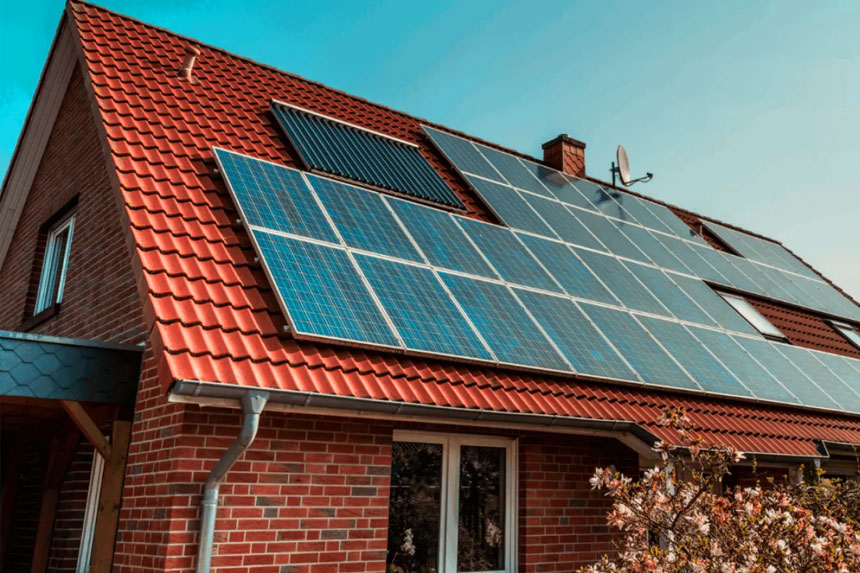
Residential solar roofing systems integrate photovoltaic technology directly into your roof structure, replacing traditional roofing materials while generating clean electricity. These systems combine roof replacement with solar installation, offering homeowners a streamlined approach to renewable energy that maintains curb appeal while reducing energy costs.
What are solar roofing systems and how do they work?
Solar roofing systems use photovoltaic cells embedded in roof tiles or shingles that convert sunlight into electricity while protecting your home from weather.
Solar shingles and photovoltaic tiles contain thin-film or crystalline silicon cells that capture sunlight and convert it to DC electricity. An inverter transforms this power into AC electricity your home can use. Unlike traditional solar panels mounted on existing roofs, building-integrated photovoltaics (BIPV) replace standard roofing materials entirely. The system connects to your electrical panel and can feed excess energy back to the grid through net metering programs.
Most roof-integrated solar systems work alongside traditional shingles to cover your entire roof. You install solar modules on south-facing slopes that receive maximum sun exposure, while standard materials cover shaded areas. This hybrid approach balances cost with energy production efficiency. The photovoltaic cells within each tile generate approximately 13-20 watts per square foot, depending on the technology used.
How much do residential solar roofing systems cost and what is the return on investment?
A complete solar roof cost typically ranges from $30,000 to $60,000 for an average home in 2025, reflecting recent increases in material and labor costs.
Solar roofing lifespan extends 25 to 30 years, making the long-term ROI of solar roof systems attractive for most homeowners. Your initial investment covers both roof replacement and solar installation, eliminating the need for separate projects. Most systems pay for themselves within 12 to 18 years through reduced electricity bills and increased home value, with current electricity rates averaging $0.15 per kWh nationally.
Cost factors include roof complexity, local labor rates, and system efficiency. Simple ranch-style homes cost less to outfit than multi-story houses with complex angles. Thin-film solar roofing options typically cost 20% to 30% less than premium crystalline systems but produce less electricity per square foot. Renewable energy systems like these qualify for various financing options, including solar loans with rates as low as 2.99% APR.
The energy payback period averages 3 to 5 years, meaning the system generates enough clean energy to offset the carbon footprint of manufacturing and installation. After this point, your roof produces net-positive environmental benefits for decades, contrasting sharply with conventional roofing materials that offer no energy generation capabilities.
How do warranties, lifespan, and durability compare across systems?
Solar warranty coverage varies significantly between manufacturers, with top brands like Tesla and GAF Energy offering 25-year product warranties and separate performance guarantees as of 2025.
Premium systems maintain 80% to 90% of original output after 25 years, while budget options may drop to 75% efficiency. Durability rating standards require solar roofing to withstand hail up to 1.75 inches, winds up to 130 mph, and temperature cycling from -40°F to 185°F. Leading solar manufacturers now include impact-resistant glass and improved weatherproofing that exceeds traditional asphalt shingle performance.
Most solar roofing installations carry separate warranties for the roofing function and energy production. The roofing warranty typically covers water penetration and structural integrity for 15 to 30 years. Power output warranties guarantee minimum electricity production levels, usually 80% to 85% of rated capacity after 20 to 25 years.
Installation quality affects durability more than product specs. Certified installers follow manufacturer guidelines for flashing, sealing, and electrical connections that prevent water damage and system failures. The electrical components, including inverters and monitoring systems, typically carry 10 to 15-year warranties with extended options available.
What incentives, tax credits, and savings opportunities exist for homeowners?
Federal solar incentives provide a 30% tax credit on total system costs through 2032, potentially saving homeowners $9,000 to $18,000 on installation based on current pricing.
The federal Investment Tax Credit applies to both the solar components and roofing materials when installed as an integrated system. Many states offer additional rebates, property tax exemptions, or performance-based incentives that stack with federal benefits. California’s clean energy programs provide up to $1,000 per kW installed, while New York offers additional rebates through NYSERDA.
Local incentive programs change frequently, so research current offerings in your area before committing to installation. Some regions offer zero-interest financing or power purchase agreements that eliminate upfront costs. These programs let you start saving on electricity bills immediately while paying for the system over time.
Hybrid solar systems that include battery storage may qualify for additional state incentives, especially in areas prone to power outages or with time-of-use electricity rates. The grid-tied systems allow for maximum savings through net metering, where excess energy credits offset nighttime usage.
How to choose and plan for installation of a solar roofing system
Start by evaluating your roof’s age, condition, and solar potential through a professional assessment before selecting system components from certified solar contractors.
Your installation timeframe typically spans 3 to 8 weeks from permit approval to system activation, reflecting updated permitting processes in 2025. Roof age matters because solar roofing performs best on structures with 15 to 30 years of remaining life. If your current roof needs replacement within 5 years, combining projects saves money and reduces disruption.
Choose certified installers with experience in your specific system type and local building codes. Get multiple quotes that include detailed specs, timeline, and warranty terms. Verify that installers carry proper licensing, insurance, and manufacturer certifications. The solar installation process requires coordination between roofers, electricians, and system commissioners.
Plan for permit requirements and utility interconnection processes that can add 2 to 12 weeks to project completion, with some utilities experiencing longer wait times. Most installations require structural engineering reviews and electrical inspections before activation. Schedule installation during favorable weather windows to minimize delays and ensure proper sealing of waterproof membranes.
Distributed solar systems like residential roofing installations now represent over 40% of new solar capacity additions in the United States, reflecting growing homeowner adoption of sustainable building practices.
Solar roofing systems offer homeowners an integrated solution that combines roof protection with clean energy generation. While initial costs exceed traditional roofing, the long-term savings, environmental benefits, and increased home value make these systems increasingly attractive for appropriate applications. The technology continues evolving rapidly, with improved efficiency and reduced costs making residential photovoltaic systems more accessible to mainstream homeowners.
Note: All pricing and incentive information reflects 2025 market conditions and may vary by location. Current federal tax credit rates and state incentive programs were verified through recent government and industry sources.
