

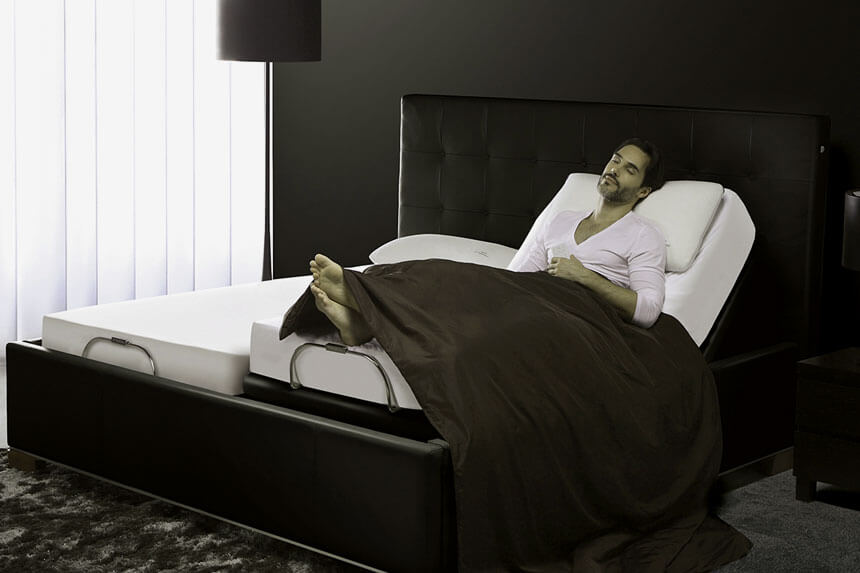
Modern Sleep Solutions combine smart technology, AI-powered tracking, and targeted treatments to transform how you rest and recover. These sleep innovations address common sleep challenges through personalized bedding systems, wearable monitors, and specialized tools that adapt to your unique needs. You can now optimize every aspect of your sleep-friendly environment using evidence-based technology that delivers measurable results.¹
Sleep-Friendly Bedroom Setup and Device Hygiene
Removing or limiting electronic devices in your bedroom improves sleep onset and quality by reducing blue light exposure and digital distractions. Blue light disruption from screens suppresses melatonin production, making it harder to fall asleep naturally.
Create a digital detox space by keeping phones, tablets, and TVs out of the bedroom. Yellow lens glasses and blue light blocking solutions are rising in popularity as people spend more time on screens throughout the day, even checking emails just before bed. Replace electronic alarm clocks with analog versions, and use blackout curtains to control natural light exposure.
Evening routines that improve sleep chances include taking sleep vitamins like magnesium, using white noise machines, and creating dedicated soundscapes with smart home devices. Your sleep hygiene foundation starts with removing tech barriers that prevent deep, restorative sleep. As sleep anxiety emerges as a critical wellness challenge in 2025, fueled by increasing digital dependency, creating technology-free zones becomes essential for mental wellbeing.
Wearable Tech and Smart Bedding for Sleep Enhancement
Wearable sleep monitors now deliver medical-grade insights without the bulk of traditional devices. The Oura Ring Gen 4 tracks heart rate, temperature, and blood oxygen levels while providing Sleep Scores, Activity Scores, and Readiness Scores through AI algorithms. The Fitbit Charge 6 offers Sleep Profile programs that analyze month-long data to determine your sleep phenotype using one of six sleep habit categories.
Smart beds revolutionize temperature control for couples with different preferences. Eight Sleep Pod 5 actively adjusts temperature from 55° to 110°F in real-time, with dual zones that let each partner control their side independently. BedJet systems provide instant cooling and warming while eliminating moisture and sweat, with programmable settings for every hour of the night.
SMARTDUVET technology pumps air through bedding to create dual-zone climate control and even makes your bed automatically using patented air inflation systems. These smart bedroom setup solutions target the root causes of sleep disruption through personalized comfort. The global sleep tech market, valued at USD 20.52 billion in 2024, is expected to reach USD 65.69 billion by 2033, driven by AI-powered tracking and analysis improvements.
Smart Pajamas and Sleep Robots
Smart textiles include temperature-regulating bedsheets that wick moisture and maintain ideal sleeping temperatures for those who experience night sweats. Soft robotic devices mimic breathing patterns to calm users into sleep, while interactive companions reduce anxiety and promote relaxation for stress-related insomnia. These nocturnal wellness tools represent the cutting edge of contactless monitoring technology.
AI-Powered Sleep Tracking and Predictive Tools
AI sleep tracking goes beyond basic monitoring to provide predictive insights and real-time adjustments. Sleeptracker-AI platforms use contactless biosensing to create dynamic digital replicas of users and their environments, tracking sleep stages and detecting disorders with clinical accuracy.
Sleep Cycle proves most comprehensive among sleep tracking apps, monitoring coughing time, snoring profiles, and differentiating between partners’ sounds for accurate data. SleepMaster uses advanced audio analysis to detect sleep stages, snoring, and breathing without requiring wearables, while providing personalized sleep scores each morning.
SleepSpace integrates smart sounds, CBT-I techniques, and AI coaching through “Dr. Snooze” for personalized recommendations based on validated research. AI sleep coaches now predict disturbances before they occur by analyzing historical patterns and environmental factors. These sophisticated algorithms represent a fundamental shift from reactive to predictive sleep technology.
ERA Smart Layer technology transforms mattresses into smart systems with real-time monitoring and spinal alignment, earning CES 2025 Innovation Awards for breakthrough sleep enhancement. These systems adapt firmness, temperature, and support automatically based on your sleep position and body type throughout the night, utilizing advanced sensors that form part of the broader digital health ecosystem.
Targeted Sleep Solutions for Specific Needs
Hot flash sleep relief requires specialized cooling technology beyond standard air conditioning. BedJet systems are clinically proven for peri-menopausal night sweats and hot flashes, rapidly eliminating moisture while providing programmable temperature control. Eight Sleep’s Hot Flash Mode specifically targets menopausal women’s sleep needs with intelligent cooling that responds to body temperature changes.
Sleep apnea aids offer alternatives to traditional CPAP machines for those who struggle with masks and hoses. Custom-fitted oral appliances reposition the jaw to keep airways open, while the Inspire device uses implanted nerve stimulation to prevent tongue collapse during sleep. Positional therapy devices and specially designed pillows help prevent back-sleeping, which worsens apnea for many patients.
Modern Sleep Solution, led by Dr. Nahmjee Lee-Skarada in Salem, Oregon, offers The DreamBite System as a comfortable and effective CPAP alternative, representing the clinic’s dedication to redefining sleep apnea treatment. BiPAP and APAP machines provide variable pressure alternatives to constant CPAP airflow, while dental sleep medicine offers portable, electricity-free solutions for frequent travelers. Physical therapy with speech pathologists can strengthen tongue and throat muscles, while devices like eXciteOSA use electric muscle stimulation for targeted improvement.
Cognitive shuffle techniques help racing minds settle without devices. This method involves mentally listing random objects or images to occupy your brain’s attention system, preventing anxiety loops that keep you awake. Unlike counting sheep, cognitive shuffling provides enough mental engagement to block worry thoughts while remaining boring enough to promote sleep onset. This therapeutic rest approach contrasts sharply with sleep disruption caused by digital overstimulation.
Advanced Sleep Technologies and Emerging Trends
2025 introduces groundbreaking sleep innovations, including AI-powered hypnosis apps that use voice-led relaxation techniques and weighted blankets with custom weight distribution technology that adjusts based on real-time body movements. These slumber enhancement tools demonstrate how wellness technology continues to evolve.
Sleep tourism is evolving beyond luxury mattresses to holistic, science-backed sleep experiences, with hotels integrating biometrics, circadian lighting, and tailored relaxation programs. This trend reflects the wellness industry’s recognition that quality nocturnal recovery has become a luxury amenity worth premium pricing.
The integration of sleep technology with smart home ecosystems allows devices like Google Nest and Amazon Alexa to sync with sleep trackers, creating automated bedtime routines that adjust lighting and temperature. This represents a non-invasive approach to circadian rhythm optimization that works within existing home infrastructure.
Bottom Line
Modern Sleep Solutions deliver personalized, technology-driven approaches to better rest through smart bedding, AI tracking, and targeted treatments. These tools address specific sleep challenges while providing actionable data to optimize your nightly recovery. The key is choosing solutions that match your particular sleep issues, whether that’s temperature regulation, breathing difficulties, or digital disruption.
Your sleep quality directly impacts every aspect of health and performance. As sleep anxiety rises in our 24/7 digital world, combining evidence-based technology with behavioral changes offers the most effective path to consistent, restorative sleep. Start with basic sleep environment improvements, then add targeted technology that addresses your specific needs for measurable sleep quality improvement.
¹ Footnote: The term “Modern Sleep Solutions” encompasses both the general category of contemporary sleep technologies and specific medical practices like Modern Sleep Solution in Salem, Oregon, which specializes in dental sleep medicine and CPAP alternatives.
