

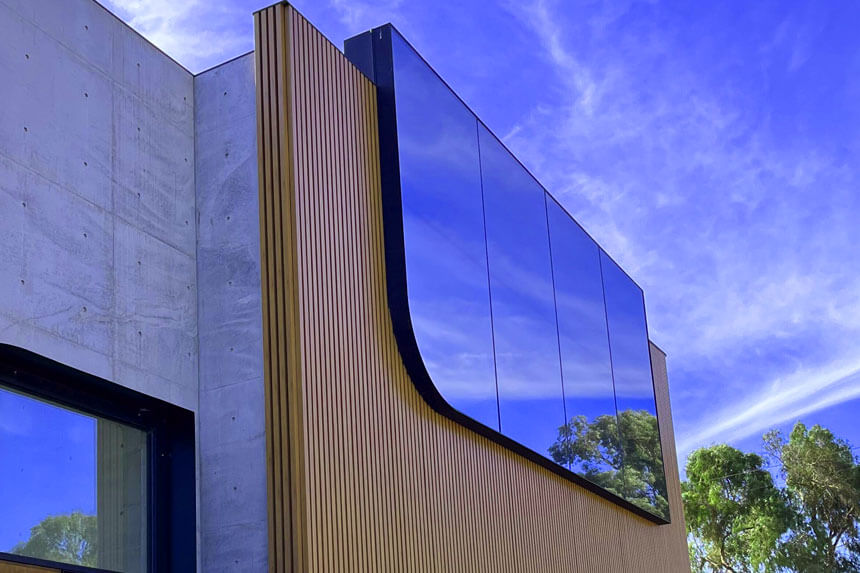
Aluminium Cladding Facade systems protect buildings with lightweight, durable metal panels that resist weather and corrosion. These facade systems offer design flexibility through various panel types including composite panels, honeycomb panels, and solid sheets. Modern systems focus on fire-rated cladding options and thermal performance following updated building regulations, with the global market valued at $6.256 billion in 2024 and forecast to reach $9.09 billion by 2029.
Aluminium Cladding Facade
Aluminium cladding facade acts as your building’s protective exterior cladding system. This architectural skin shields the structure from weather while creating an attractive building envelope finish.
This cladding solution combines thin aluminum sheets with core materials to form panels that function as part of the overall facade system. The panels attach to your building’s framework using hidden fasteners, creating a continuous protective barrier that keeps moisture out and maintains the building’s temperature. Modern aluminium facade panels have become key components in architectural transformation, offering long-term durability, material efficiency, and adaptability.
You get multiple benefits from aluminum facade systems. The material weighs about one-third less than steel, making installation easier and reducing structural loads. It won’t rust or corrode over time thanks to its natural oxide coating. Plus, you can shape aluminum into curved designs and custom profiles that traditional building materials can’t match. Aluminum cladding provides endless design possibilities, allowing architects to create unique, futuristic, and elegant exteriors.
What Types of Aluminium Cladding Facade Are Available?
The main types include composite panels, solid aluminum sheets, and honeycomb panels. Each type offers different strengths for specific building needs and facade design requirements.
Composite panels contain two thin aluminum sheets bonded to a core material. The core can be polyethylene, mineral-filled materials, or fire-rated options. These panels provide good thermal performance while staying lightweight. However, you must choose fire-rated cladding versions for buildings over 18 meters after safety regulations changed following the Grenfell Tower fire, where polyethylene-filled aluminum composite panels were responsible for rapid fire spread.
Honeycomb panels feature aluminum skins surrounding a hexagonal aluminum core structure. This design creates exceptional strength-to-weight ratios while providing excellent thermal performance and acoustic properties. These panels work particularly well for high-rise applications where reducing weight without compromising performance is critical. The honeycomb cladding suits areas with high wind loads or where durability matters most.
Solid Panels vs Composite Panels
Solid aluminum panels offer maximum fire-rated cladding safety but cost more than composites. Composite panels provide better insulation and weigh less than solid options when properly specified.
Solid panels resist fire completely because they contain no combustible core material. You pay higher upfront costs but get long-term durability and minimal low-maintenance requirements. These panels suit high-rise buildings where fire safety regulations are strictest and function as true non-combustible materials.
Composite panels balance cost with performance when you choose fire-rated core materials. Modern mineral-filled cores meet safety standards while providing thermal performance benefits. You save money during cladding installation because these panels weigh less and install faster than solid alternatives.
Click-on and Rainscreen Systems
Click-on systems use interlocking panels that snap together without visible fastening systems. Rainscreen systems create ventilated cavities behind the cladding for moisture control and improved building envelope performance.
Click-on installation methods speed up construction and create clean visual lines across the facade design. You can remove individual panels for maintenance without disturbing adjacent sections. This system works well for renovation projects where you need quick installation with minimal disruption to existing building materials.
Rainscreen systems allow air circulation behind the cladding panels, creating what architects call a ventilated facade. This installation method prevents moisture buildup and improves thermal performance significantly. The fundamentals of incorporating an air gap in rainscreen cladding creates a buffer between external and internal environments, improving thermal performance and reducing reliance on heating and cooling systems.
What Are the Advantages and Limitations of Aluminium Cladding Facades?
Aluminum cladding offers lightweight durability, corrosion resistance, and design flexibility as sustainable construction materials. However, it faces cost considerations and requires proper fire safety planning.
The advantages start with significant weight savings compared to traditional construction products. Aluminum is significantly lighter than many traditional construction materials while still offering strong structural properties, making cladding installation easier and reducing structural loads. The material’s corrosion-resistant properties ensure your facade system maintains its appearance for decades without rust or deterioration.
You gain substantial design freedom with aluminum’s malleable nature and ability to accept various finishes. Aluminum cladding comes in a variety of colors, finishes, and textures, including brushed or anodized aluminum, matte, gloss, or metallic coatings, and woodgrain or stone-effect finishes. This versatility makes aluminum cladding a preferred choice for customized facade design that matches architectural visions.
The main limitations include higher upfront costs compared to some traditional wall covering materials. Thermal bridging can occur without proper insulation design, potentially impacting energy efficiency. Aluminum has high thermal conductivity, meaning it can transfer heat quickly, and without proper insulation, aluminum cladding may impact energy efficiency and thermal performance. Some composite panels with combustible cores face strict fire safety restrictions following regulatory changes.
Sustainability remains strong because aluminum maintains full recyclable properties at end of service life. Aluminum is 100% recyclable, reducing the environmental impact of construction, supporting sustainable construction practices throughout the building’s lifecycle.
How Does Aluminium Cladding Perform in Terms of Safety, Thermal, and Durability?
Modern aluminum cladding excels in durability and thermal performance when properly specified. Fire-rated cladding options now meet strict safety standards after regulatory changes.
Fire-rated aluminum systems use non-combustible materials or solid aluminum construction to meet current safety requirements. UK government banned the use of ACM cladding for high-rise buildings over 18 meters in December 2022 following comprehensive safety investigations. Current fire-rated cladding options include mineral-filled composite panels and solid aluminum systems that meet BS 8414 fire performance testing standards for external facade systems.
Thermal performance depends on your system design and core material selection. Honeycomb panels provide excellent insulation properties through their air-filled core structure. High-performance aluminum cladding systems help combat thermal bridging by using insulated panels and air barriers to reduce heat loss. Properly designed rainscreen systems create thermal breaks that reduce unwanted heat transfer through the building envelope.
Durability performance exceeds most alternative exterior cladding materials. Aluminum facade panels are highly resistant to corrosion and weathering, with their natural oxide layer protecting them from rust, making them ideal for both coastal and inland climates. The material resists UV degradation, doesn’t support biological growth, and maintains structural integrity through freeze-thaw cycles. Advanced coatings provide additional protection and color retention for 20-30 years or more.
Modern systems address previous concerns about thermal expansion and panel edge deterioration through improved design details and fastening system innovations.
Tips for Choosing and Installing Aluminium Cladding Facade for Best Results
Choose fire-rated cladding for buildings over 18 meters and plan for proper thermal performance through system design. Focus on proven installation methods and qualified contractors experienced with facade solutions.
Start your selection by checking fire safety requirements for your building height and use. Buildings over 18 meters or seven stories require compliance with strict fire safety rules introduced after Grenfell. Choose solid aluminum or mineral-filled composite panels that meet current fire performance testing standards. Avoid panels with polyethylene or other combustible core materials for high-rise applications where non-combustible materials are mandated.
Plan your installation method around building movement and weather sealing requirements. Rainscreen systems with ventilated facade cavities provide optimal moisture control and thermal performance. Some systems include ventilated facades that create an air cavity between the cladding and the building, further enhancing insulation. Design expansion joints to handle thermal expansion without stressing the panels or compromising the building envelope.
Select qualified installers experienced with aluminum facade systems and modern cladding installation techniques. Start panel installation from the bottom and work upward following manufacturer guidelines for cutting and handling. Proper substrate preparation and waterproofing membranes prevent moisture problems behind the exterior cladding.
Consider sustainability factors in your material selection process. When specifying aluminum cladding, it is important to consider the raw material extraction methods used to produce them and whether their manufacture includes recycled material. Choose systems with high recycled aluminum content and low-maintenance finishes that support sustainable construction goals. Plan for end-of-life recyclable properties when specifying fasteners and adhesives.
Focus on thermal performance optimization through proper insulation integration and thermal bridging elimination. Reflective coatings on aluminum cladding systems help manage solar heat gain by bouncing heat away from the building’s surface. Design details around windows, doors, and penetrations require careful attention to maintain building envelope integrity. Work with experienced facade design consultants for complex projects or unusual building shapes to ensure optimal performance of your architectural skin.
